Western Sicily Travel Guide: 7 Days from Trapani to San Vito Lo Capo
Western Sicily is one of Italy's most authentic and underrated travel destinations. While Taormina and the eastern coast attract most international visitors, the western side of the island offers something rarer: medieval hilltop villages, untouched beaches, ancient salt pans, Sicilian-Arab cuisine and a slower pace of life that feels increasingly precious.
We live in Valderice, a quiet village in the hills above Trapani, and we have spent years exploring every corner of this region. This guide is the itinerary we share with our guests at Dimora Villa Sofia: seven days designed to give you both the iconic sights and the hidden corners that make western Sicily unforgettable.
You'll need a rental car — public transport is limited and many of the best places are off the beaten path — but distances are short and the roads are scenic. Here's how to spend a perfect week.

Day 1: Arrival in Trapani and Sunset in Erice Fly into Trapani-Birgi airport (TPS) — it's served by Ryanair from most European capitals and is only 25 minutes from Valderice. If you arrive late, settle into your villa, open a bottle of local Grillo wine and watch the sun set over the Gulf of Bonagia.
If you arrive in the morning or early afternoon, drive straight up to Erice. The medieval village sits on top of Monte San Giuliano at 750 meters, often wrapped in clouds. Park outside the walls, walk through Porta Trapani, and lose yourself in the narrow cobblestone streets.
Visit the Castello di Venere at the eastern edge of the village for panoramic views over the entire western coast. Then stop at Pasticceria Maria Grammatico for the most famous Sicilian almond pastries — the genovesi alla crema and the cassatine are not to be missed.
Drive back down for dinner.
We recommend booking a table at one of the seafood restaurants on the Trapani waterfront — try the busiate al pesto trapanese, a local pasta with a pesto made from almonds, tomato, basil and garlic.
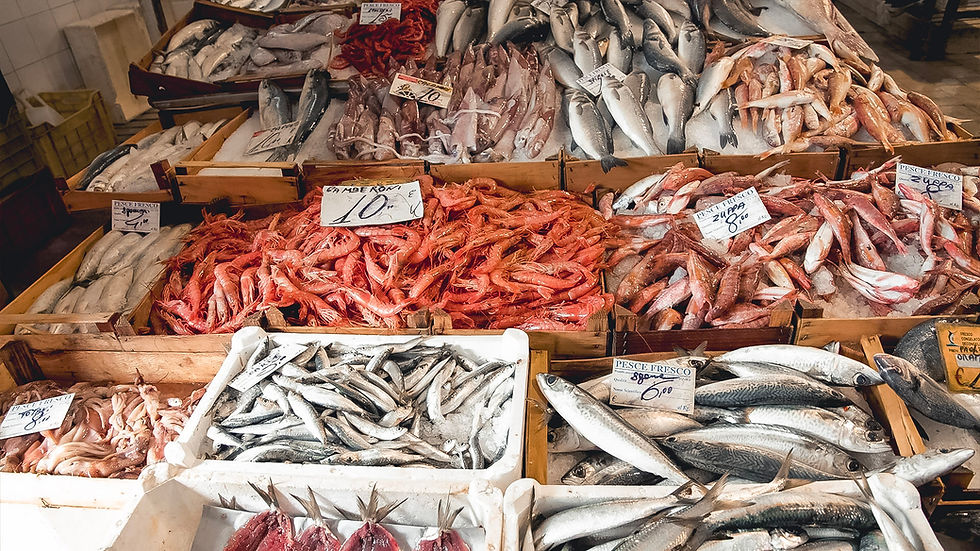
Day 2: Discovering Trapani
Trapani is shaped like a sickle pointing toward Africa, sandwiched between the Tyrrhenian and the Mediterranean. The historic center is compact, walkable and full of Baroque palaces, fishermen markets and quiet squares.
Start at the daily fish market on Piazza Mercato del Pesce (early morning is best), then walk the pedestrian Corso Vittorio Emanuele to admire the Palazzo Senatorio and the Cathedral of San Lorenzo. Continue to the Torre di Ligny at the western tip — the views from here, with the Aegadian Islands floating on the horizon, are some of the best in Sicily.
For lunch, try a local trattoria for cous cous di pesce, the dish that best represents Trapani's Arab heritage. Spend the afternoon at the city beach of Lido Mediterraneo or, if you prefer somewhere wilder, drive 15 minutes to Cornino Beach at the foot of Monte Cofano.
If you're visiting during Easter week, do not miss the Processione dei Misteri, one of the oldest and most moving religious processions in Italy.

Day 3: Aegadian Islands Day Trip
The Aegadian Islands — Favignana, Levanzo and Marettimo — are a 25-minute hydrofoil ride from Trapani. Tickets are easy to buy at the port and the morning departures are the most convenient.
Favignana is the largest and most popular. Rent a bicycle as soon as you arrive (there are several shops near the port) and pedal along the flat coastal road. The water around Cala Rossa is impossibly blue, surrounded by tuff cliffs carved by centuries of stone quarrying. Cala Azzurra and Bue Marino are equally stunning.
If you have time, hop over to tiny Levanzo (population 200) for lunch in the only harbor — a single street of whitewashed houses with blue doors. The seafood here is exceptional and the pace genuinely Mediterranean.
Return to Trapani by evening hydrofoil and have a quiet dinner back at the villa, perhaps with our private chef preparing a Sicilian menu on the terrace.

Day 4: San Vito Lo Capo and Monte Cofano
San Vito Lo Capo is home to one of the most photographed beaches in Italy: a wide arc of fine white sand backed by the dramatic Monte Monaco. The water is shallow and Caribbean-clear. Arrive early (before 10 am) to find parking and a good spot.
Beyond the beach, the village is small but lively, with a pedestrian main street lined with restaurants and gelaterias. Every September it hosts the international Cous Cous Fest, a week-long festival of food and music that's worth planning a trip around.
On the way back, stop at the Riserva Naturale di Monte Cofano for an easy walk along the coastal path — about 7 km round trip with sea on one side and the dramatic limestone cliff on the other. The sunset light here is magical.

Day 5: Zingaro Nature Reserve and Scopello
The Zingaro Nature Reserve was the first protected area established in Sicily and remains the most pristine stretch of coast on the island. Seven kilometers of trails, seven hidden coves, dwarf palm trees, junipers and crystal water.
Park at the southern entrance (closer to Scopello) and walk in. Cala Capreria is the first cove and the most accessible; Cala Marinella and Cala dell'Uzzo are further but worth the extra effort. Bring water, snacks and a swimsuit — there are no facilities inside the reserve.
After the hike, drive 10 minutes to Scopello for a late lunch. The Tonnara di Scopello — the historic tuna fishery with its iconic faraglioni rocks — is one of the most photographed places in Sicily. Have a beer at the small piazza in the village and watch the locals play cards.

Day 6: Marsala, Salt Pans and Wine
Drive south along the coast to Marsala, the elegant town that gave its name to the famous fortified wine. Stop along the way at the Saline di Trapani — a UNESCO-protected landscape of salt pans, windmills and pink-tinted lagoons. The colors are most intense in the afternoon light.
In Marsala, visit the historic center with its honey-colored Baroque buildings and the Cantine Florio for a wine tasting. Florio is the oldest Marsala producer (founded 1833) and the tour through the underground cellars is excellent.
If you have extra time, take the small boat from Marsala to the Isola di Mozia (10 minutes), an ancient Phoenician city in the middle of the lagoon, with archaeological remains and the famous Giovinetto di Mozia statue.
End the day watching the sunset over the salt pans — one of Sicily's most unforgettable experiences.

Day 7: Segesta and Slow Final Day
On your last day, drive 35 minutes inland to the Archaeological Park of Segesta. The Doric temple — built in the 5th century BC and remarkably well preserved — stands alone in a green valley, with a Greek theater perched on the hill above. The contrast between the Greek architecture and the wild Sicilian landscape is unforgettable.
Return to Dimora Villa Sofia for a slow afternoon. Float in the breeze on the rooftop terrace, pick a lemon from the garden, read a book in the shade of an olive tree. This is what slow living in Sicily really means.
For your final dinner, we recommend a restaurant in the hills above Valderice — somewhere with a view, where the menu is local and the wine list is short and honest.
Ask us for recommendations: we know all of them.
PRATICAL TIPS FOR YOUR WESTERN SICILY TRIP
Best time to visit
May, June, September and early October are ideal. July and August are hot and crowded but the sea is at its best.
Rent a car
Distances are short but a car is essential. Book in advance, especially in summer.
Cash and cards
Most places accept cards, but small villages and beach kiosks may be cash-only.
Language
English is spoken in tourist areas but a few words of Italian go a long way.
Sun protection
The Sicilian sun is strong even in May and October. Bring high-SPF sunscreen and a hat.
Ready to experience this 7-day itinerary in western Sicily? Book your stay at Dimora Villa Sofia, our heritage holiday villa in Valderice, and use our home as the perfect base for exploring Trapani, Erice, San Vito Lo Capo and the Aegadian Islands.
Get in touch for availability!
Comments